YOUTH PROGRAM QUALITY IMPROVEMENT
Greater Richmond Youth Program Quality Improvement
A continuous improvement process for Out-of-School-Time programs across the Richmond region - helping youth programs set meaningful goals, build better practices, and create enriching environments for young people.
.png)
ABOUT RICHMONDYPQI
RichmondYPQI uses the David P. Welkart Center for Youth Program Quality Intervention (YPQI) research-based model, managed by the Forum for Youth Investment. Unlike one-off professional development, YPQI builds a supportive system for continuous improvement located at the youth program site itself.
The YPQI approach begins with external and internal assessments of existing strengths and areas to address. During the planning phase, goals are added to an improvement plan with clear steps and benchmarks. During the improvement phase, YPQI staff provide one-to-one coaching and training to help programs meet their goals. Programs generally participate in YPQI for multiple years.
.png)
PROGRAM AT A GLANCE
HOW IT WORKS
📋
QUALITY ASSESSMENTS
High quality assessments to help programs identify their strengths and areas for growth
🗺️
IMPROVEMENT PLANS
Evidence-based plans that create a clear, structured path for programs to address growth areas
🤝
COACHING
Individualized and peer-reviewed coaching to help staff execute on their improvement plans
📚
TRAINING
Workshops in Social and Emotional Awareness and Youth Methods for youth workers and program managers
THE THREE-PART YPQI SEQUENCE
ASSESSMENT
External and internal assessments identify existing strengths and areas to address across the program.
PLANNING
Areas to address are added to an improvement plan as goals, with clear steps and benchmarks for success.
IMPROVEMENT
YPQI staff provide one-to-one coaching and training to help programs meet their improvement goals.
BACKGROUND
In 2009, an assessment of youth programs in the Richmond region indicated the need for increased training and development opportunities to improve the overall quality of out-of-school time (OST) offerings and youth mentorship. This assessment resulted in the Youth PROMISE Act and the PROMISE Coordinating Council,
The following year Ready by 21 selected Richmond as a “Southeast Challenge City”, which led to the provision of much needed resources to support youth development. As part of that process and through research on quality improvement programs and assessment tools, a group of local non-profit youth serving agencies selected the David P. Weikart Center for Youth Program Quality Intervention (YPQI) as a tool to help assess the quality of out of school time programming for youth in the Richmond Region. The YPQI is an assessment-driven continuous improvement process designed to: (a) build manager’s continuous quality improvement skills; (b) increase the quality of staff practices delivered in afterschool programs; and (c) increase students’ engagement with programs content and opportunities for skill-building. This ultimately can lead to better youth outcomes. As part of the YPQI, self and external assessments are conducted by trained staff and site assessors, staff participate in meetings with other regional youth development staff to discuss observation findings, professional development workshops are offered to support best staff practice adoption and coaching is provided to support change management.
Evidence has repeatedly suggested that youth outcomes are highly dependent upon program quality. In a review of after school program literature, Durlak, Weissberg, and Pachan (2010) reported positive effects of after school participation on students’ self-perceptions, social behaviors, school grades, and problem behaviors. However, these positive effects were only found in programs that implemented high quality practices such as clear and explicit learning objectives, and opportunities for active learning. As such, they conclude that quality is an important consideration when thinking about youth outcomes related to OST programs. Given evidence of this sort, OST systems across the nation began to develop and implement professional development structures that support the growth of high-quality OST programs. Richmond YPQI identified this as a potential next step for area youth-serving organizations and consequently prompted the work.
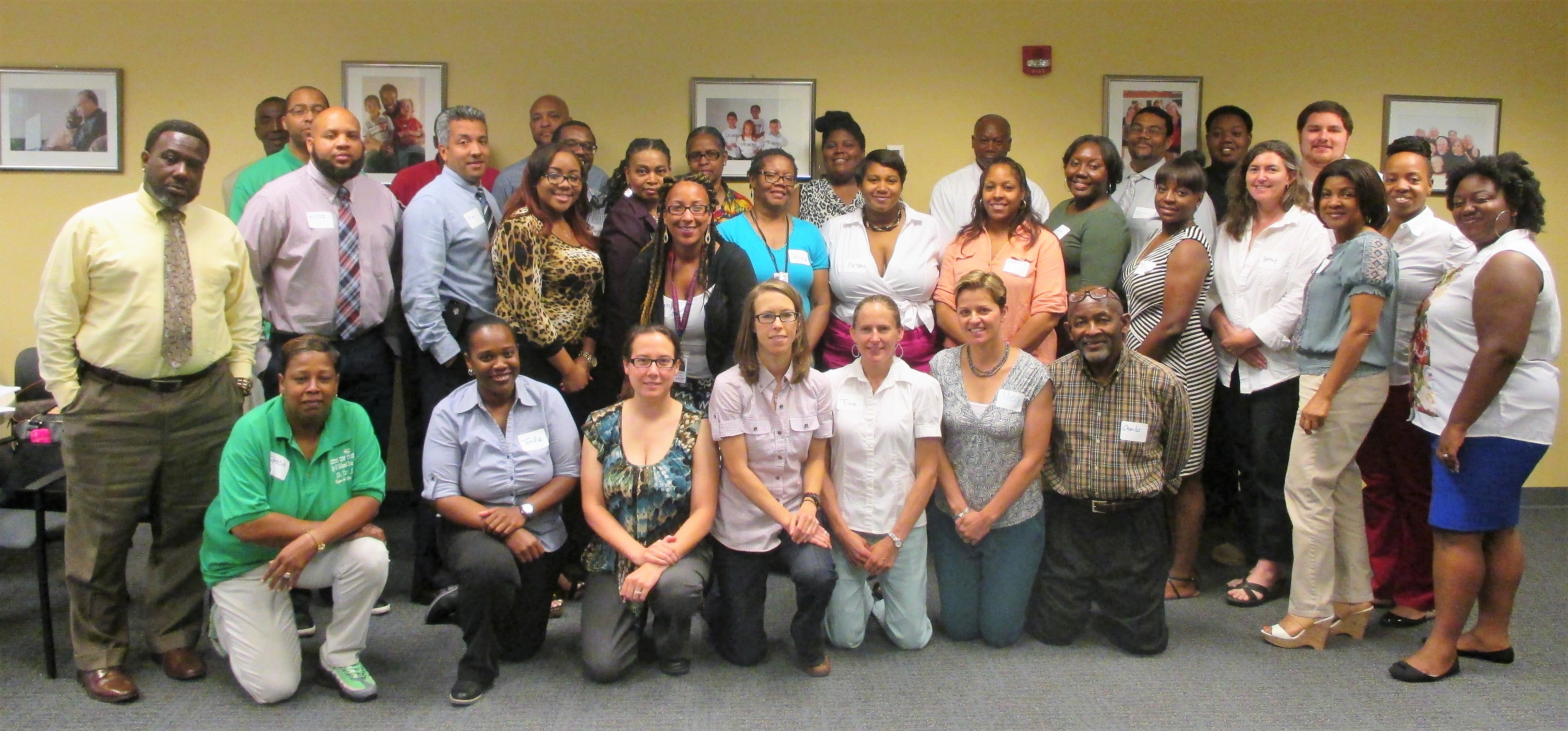
2013/14 Cohort Celebration
The United Way of Greater Richmond designed a 2011-2012 YPQI pilot program for Hanover County and launched the first regional cohort of RichmondYPQI sites during the 2012-2013 program year. In Fall 2012, The United Way of Greater Richmond & Petersburg selected a partner agency, the Mary and Frances Youth Center (MYFC), to coordinate and deliver the program. During the 2013-2014 programming year, RichmondYPQI expanded to thirty-one sites throughout the Richmond region and in 2014-2015 RichmondYPQI continued to grow to a total of forty-five sites. Participating organizations reached youth in Chesterfield County, Hanover County, Henrico County and the cities of Petersburg and Richmond. In 2015-2016, the network grew to fifty-two sites and during the fifth year, 2016-2017, the network served fifty-five sites. 2017-18 RichmondYPQI serviced 47 sites.
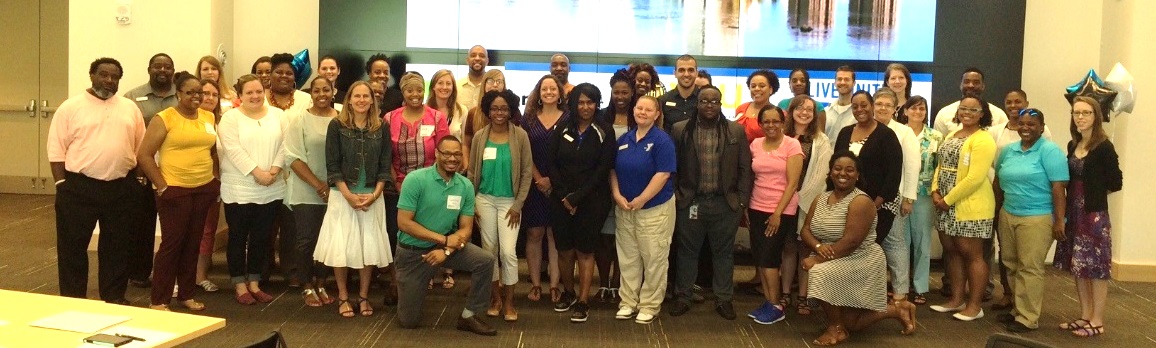 2015/16 Cohort Celebration
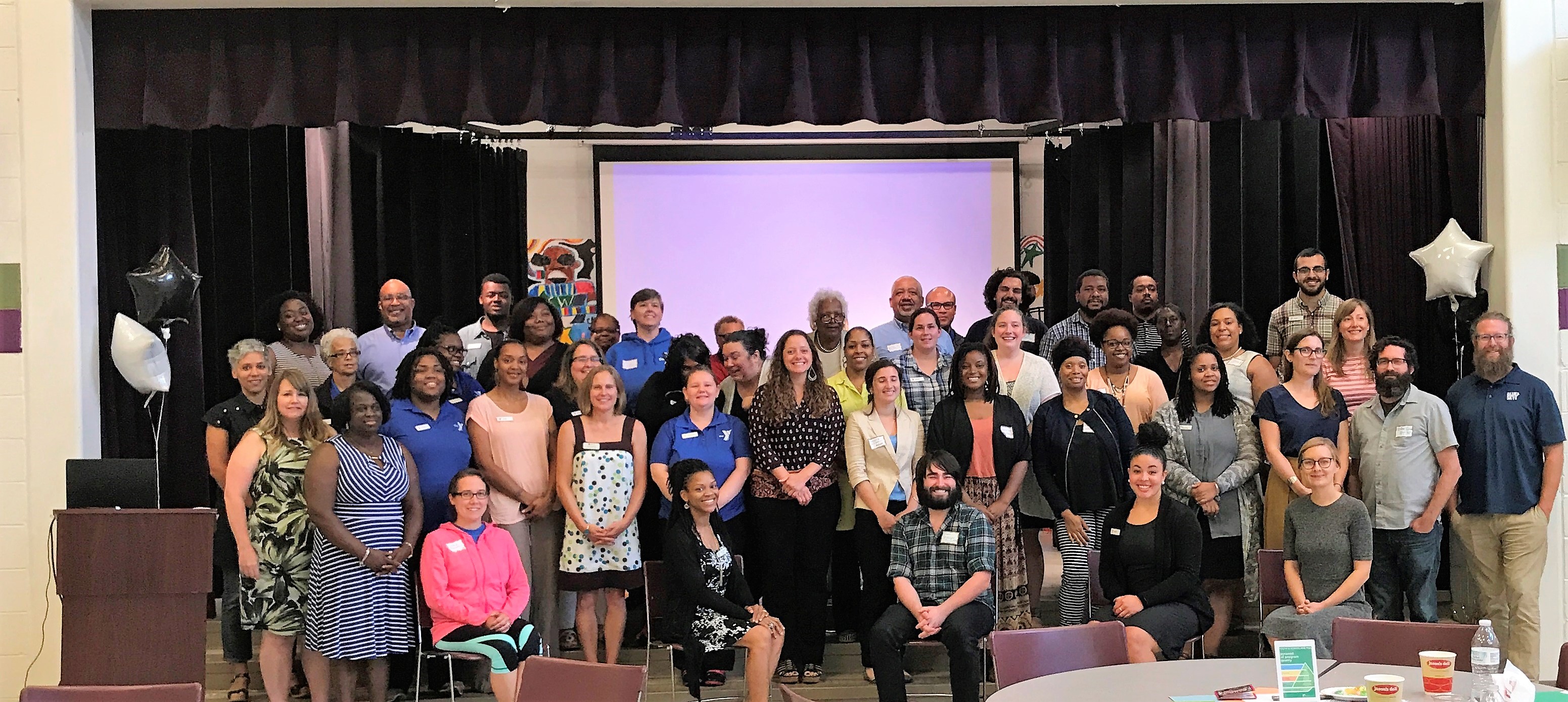 2016/17 Cohort Celebration
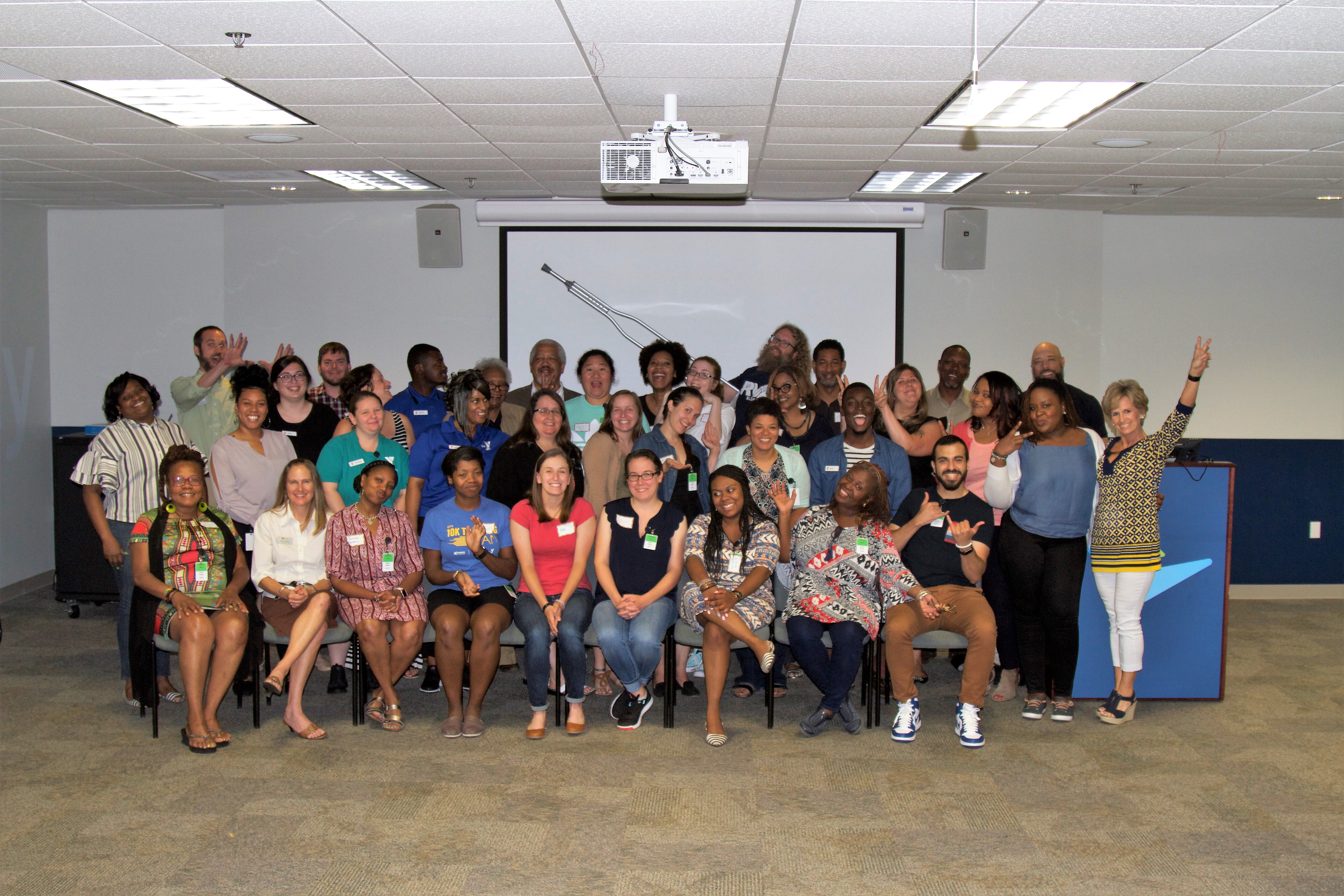 2017/18 Cohort Celebration
The following cohort year, 2018-19, RichmondYPQI facilitated forty-nine sites and added its first Summer Learning Program Quality Assessment (SLPQA) cohort that summer. PQA is the evaluation framework used to determine strengths and challenges of YPQI practices at partnering sites. The PQA process uses trained site assessors, or coaches, that evaluate sites in accordance to best practices. The 2019-20 cohort totaled fifty-two sites and included seven 21st Century Community Learning Center sites that participated in collaboration with the Virginia Department of Education, another first for the initiative. RichmondYPQI engaged a local pilot independently of the nationwide study, “The Effects of a Systematic Approach to Improving Quality in Afterschool Programs: An Impact Evaluation to Inform the 21st Century Community Learning Centers (CCLC) Program,” which is designed to run from 2020 through 2025.
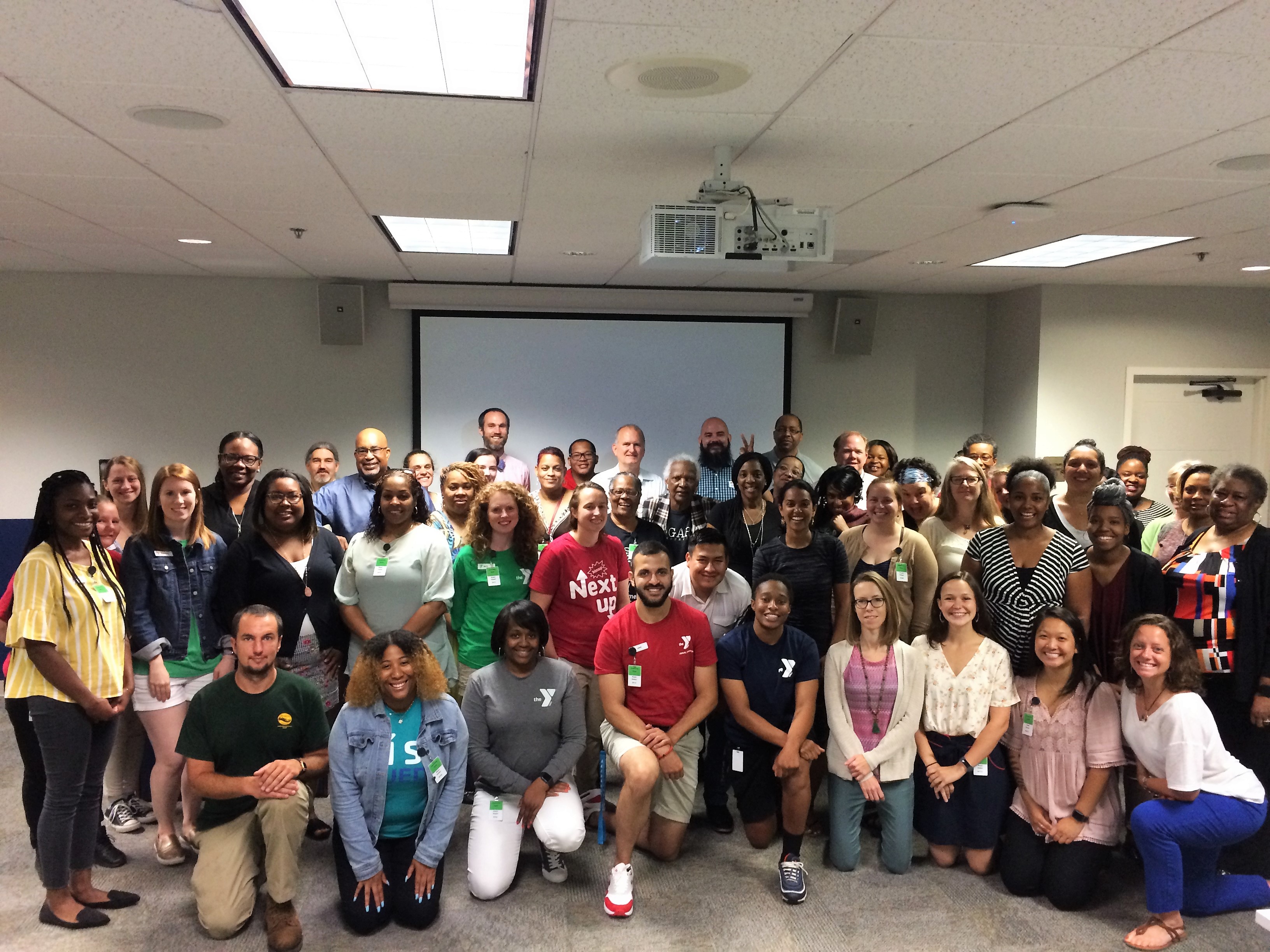 2018/19 Cohort Celebration
In late 2019 and into 2020 RichmondYPQI had to adjust to the global COVID19 pandemic. Many participating sites did not have youth attending and quickly halted programs, resulting in dropping the YPQI offerings entirely.
During this same time, the Mary and Frances Youth Center transferred management of YPQI to the United Way of Greater Richmond in order to focus on creation of The Toolbox at MFYC. This professional development community developed in response to requests from programs/staff to deepen youth development workshops in the region and provide logistical support for coordinated professional development. The Toolbox at MFYC staff surveyed RichmondYPQI sites seeking additional training to be offered alongside, and in response to, the YPQI framework. The Toolbox at MFYC served 83 participants in its first year, followed by 228 in year two. It was renamed RichmondYDN in October of 2023, and continues to provide professional development opportunities to supplement the traditional YPQI framework. The Greater Richmond Youth Development Network (RichmondYDN) brings together people who are working in out-of-school time, youth development, health services and education fields for networking, relationship building, and shared learning.
In July 2022, the United Way of Greater Richmond returned RichmondYPQI to the Mary and Frances Youth Center to assume full responsibility and management for the operation, fulfilling its mission as a “regional leader in university-community collaboration for positive youth development.” During the 2023–2024 academic year, the Mary and Frances Youth Center partnered with the Forum for Youth Investment and The Weikart Center to relaunch RichmondYPQI efforts, reestablishing a regional network of active offerings for the Fall 2024 and Spring 2025 Minicycles.
Register your program for RichmondYPQI
Workshops are free of charge to all participants and take place at the Mary and Frances Youth Center or virtually. Contact Dr. Vaughn Garland to register or learn more
.png)